The Chemistry of Prostaglandins in Personal Care
Exploring the chemical properties, formulation challenges, and scientific history of prostaglandins in modern cosmetic applications.
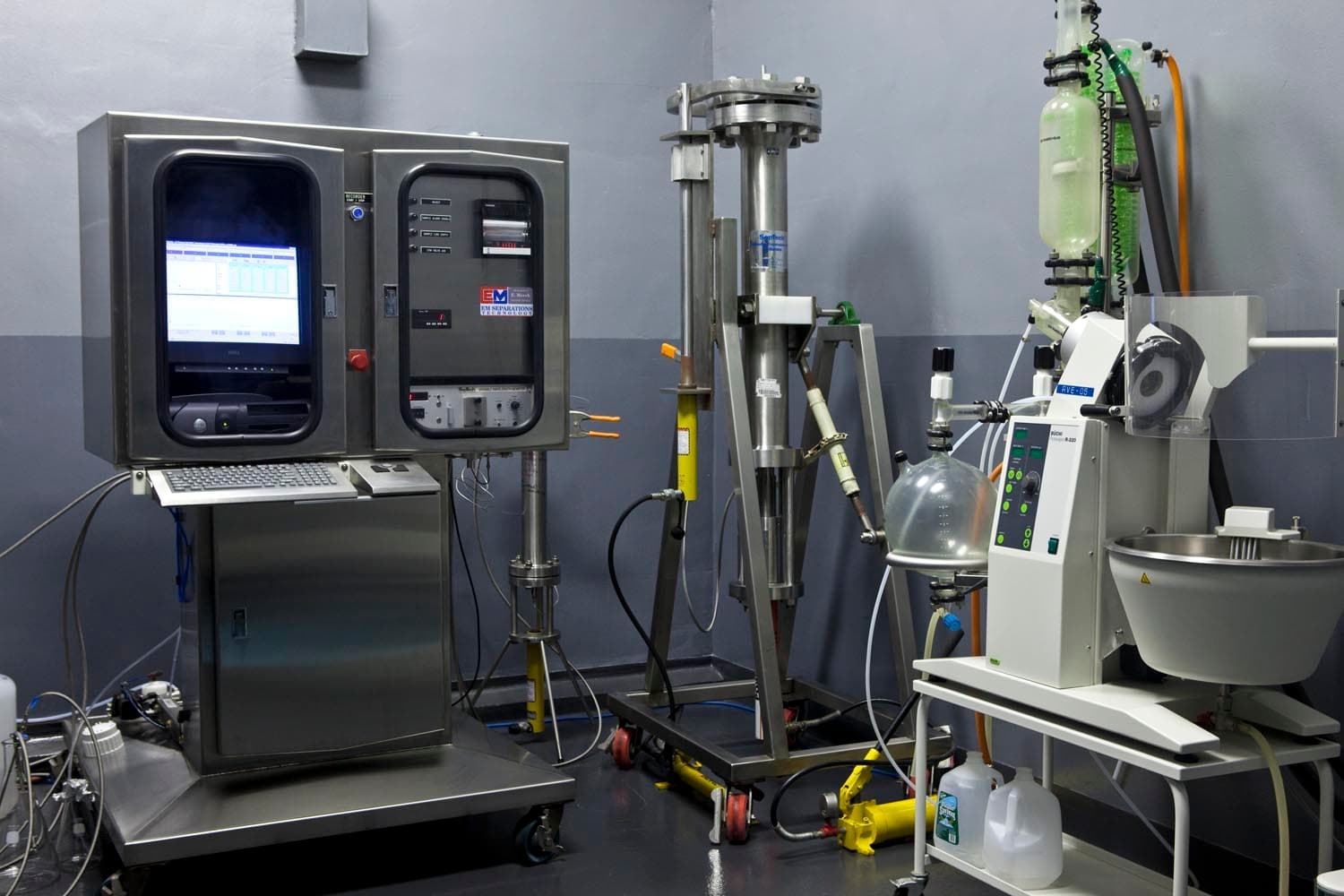
The journey of prostaglandins from pharmaceutical compounds to cosmetic ingredients represents a fascinating intersection of medicinal chemistry and personal care science. While these lipid compounds were originally developed for therapeutic applications in ophthalmology, their unique chemical properties have led to their exploration in advanced cosmetic formulations.
Chemical Structure and Properties
Prostaglandins are lipid compounds derived enzymatically from fatty acids. Structurally, they are characterized by a 20-carbon backbone containing a 5-carbon ring. In cosmetic applications, synthetic analogs are typically used to ensure stability and consistency.
Key analogs often encountered in formulations include:
- Isopropyl Cloprostenate
- Dechloro Dihydroxy Difluoro Ethylcloprostenolamide
- Ethyl Tafluprostamide
These molecules are chemically designed to improve lipophilicity, allowing them to integrate effectively into cosmetic emulsions and serums.
Formulation Challenges
Incorporating prostaglandin analogs into cosmetic products presents several unique challenges for formulators.
Stability and Solubility
Prostaglandin analogs are often sensitive to hydrolysis and oxidation. Maintaining their chemical integrity requires careful selection of buffering agents and antioxidants. Furthermore, many of these compounds have low water solubility, necessitating the use of solubilizers or encapsulation technologies to ensure a stable, homogenous product.
Preservation
Like many bioactive molecules, prostaglandins require robust preservation systems. However, the interaction between preservatives and the active molecule must be carefully evaluated to prevent degradation. Formulators often employ airless packaging systems to further protect the integrity of the formula from environmental exposure.
Historical Context
The interest in prostaglandins for personal care emerged from their extensive history in medicine. Originally discovered in the 1930s and later Nobel Prize-winning research in the 1980s, prostaglandins have been understood as potent signaling molecules. Their transition into the cosmetic sphere highlights the industry's trend toward "cosmeceuticals"—products that bridge the gap between pure aesthetics and science-backed functionality.
Regulatory Landscape
The use of prostaglandin analogs in cosmetics is a highly restricted regulatory area. Different jurisdictions have strict classifications for these ingredients. In Canada, prostaglandin analogs are expressly prohibited in cosmetics (Hotlist), and in the EU, the SCCS has raised significant safety concerns regarding specific analogs for lash and brow applications. Formulators must navigate these boundaries carefully, ensuring any use complies strictly with regional laws and avoids any medical or physiological claims.
Conclusion
Prostaglandin analogs represent a sophisticated class of ingredients in the modern cosmetic chemist's toolkit. Their successful application requires a deep understanding of lipid chemistry, stability profiles, and formulation science. As the personal care industry continues to evolve towards more scientifically advanced ingredients, prostaglandins remain a prime example of high-performance chemistry in action.